Are you seeking to sharpen your mind, improve memory, and maintain cognitive vitality as you age?
In today's fast-paced world, maintaining peak cognitive function is more crucial than ever. As we navigate demanding careers, complex personal lives, and the natural process of aging, many adults find themselves grappling with challenges like brain fog, memory lapses, and difficulty focusing. The good news is that our brains, much like our bodies, thrive on proper nourishment.
This comprehensive guide, authored by Dr. Linda Zhang, a leading Cognitive Neuroscience Researcher, will delve into the science behind brain health, exploring the top vitamins and essential nutrients that play a pivotal role in supporting cognitive function, protecting against decline, and enhancing overall mental clarity for adults.
Understanding Cognitive Decline: More Than Just "Getting Older"
Cognitive decline is a complex process influenced by genetics, lifestyle, and environmental factors. While some age-related changes are normal, significant declines in memory, focus, and processing speed are not inevitable.
Our brain is an incredibly intricate organ, constantly working to process information, form memories, and execute complex thoughts. However, with age, and due to various lifestyle factors, this efficiency can diminish. Factors such as chronic stress, poor diet, lack of sleep, and environmental toxins can contribute to neuronal damage, reduced neurotransmitter production, and increased inflammation, all of which are hallmarks of cognitive decline. This isn't merely about forgetting where you left your keys; it can manifest as persistent brain fog, difficulty concentrating on tasks, reduced problem-solving abilities, and a general feeling of mental sluggishness. Understanding these underlying mechanisms is the first step toward proactive brain health. It's crucial to realize that while some decline is part of aging, severe or rapid deterioration often signals deeper issues that can potentially be mitigated or slowed down with the right interventions.
The good news is that modern neuroscience has illuminated many pathways through which we can support and even enhance our brain's resilience. Nutritional science, in particular, has identified key vitamins, minerals, and plant compounds that act as powerful allies in the fight against cognitive deterioration. These nutrients work synergistically to protect brain cells, facilitate communication between neurons, reduce oxidative stress, and promote the growth of new neural pathways. By providing our brains with the optimal building blocks, we can help maintain their structural integrity and functional prowess for years to come. This article will guide you through the most impactful nutritional strategies, helping you make informed choices for your long-term cognitive well-being.
💡 Key Takeaway
Cognitive decline is a multifaceted issue, but it's not an inevitable part of aging. Many aspects are modifiable through lifestyle, especially targeted nutrition, which can significantly bolster brain resilience and function.
The Foundational Pillars: Essential Vitamins for Brain Health
A well-nourished brain is a powerful brain. Certain vitamins act as critical cofactors in neurotransmitter synthesis, energy production, and cellular protection, making them indispensable for optimal cognitive function.
B Vitamins (B6, B9, B12): The Homocysteine Warriors
B vitamins are vital for neurological health. Specifically, B6 (Pyridoxine), B9 (Folate), and B12 (Cobalamin) play a crucial role in reducing homocysteine levels, an amino acid linked to an increased risk of cognitive impairment and neurodegenerative diseases when elevated. They also contribute to the synthesis of neurotransmitters like serotonin and dopamine, which regulate mood, memory, and focus.
Vitamin D: The Sunshine Nutrient for Your Brain
Often associated with bone health, Vitamin D's role in brain function is increasingly recognized. Receptors for Vitamin D are found throughout the brain, and it's involved in neuroprotection, neuroplasticity, and reducing inflammation. Deficiencies have been linked to an increased risk of cognitive decline and mood disorders. Ensuring adequate Vitamin D levels is a simple yet powerful step for brain health.
Vitamin E: A Potent Antioxidant Shield
Vitamin E, particularly its alpha-tocopherol form, is a fat-soluble antioxidant that protects brain cells from oxidative stress and free radical damage. The brain is particularly vulnerable to oxidative damage due to its high metabolic rate and lipid content. Adequate Vitamin E intake is associated with a lower risk of cognitive decline and may help preserve memory function as we age.
Omega-3 Fatty Acids (DHA & EPA): Brain's Building Blocks
While not strictly a vitamin, Omega-3 fatty acids, especially Docosahexaenoic Acid (DHA), are absolutely essential for brain structure and function. DHA is a major structural component of brain cell membranes, crucial for neuronal communication and plasticity. EPA (Eicosapentaenoic Acid) has anti-inflammatory properties that benefit brain health. These fatty acids support memory, learning, and overall cognitive performance.
Vitamin C: Supporting Neurotransmitter Production
Known for its immune-boosting properties, Vitamin C also plays a critical role in brain health. It is a powerful antioxidant that protects against oxidative stress and is a necessary cofactor in the synthesis of neurotransmitters like norepinephrine. Adequate Vitamin C intake supports cognitive processing, attention, and memory, contributing to overall mental sharpness.
Beyond Vitamins: Powerful Herbal Extracts and Adaptogens for Cognitive Support
Nature offers a rich pharmacopeia of botanicals known for their profound effects on brain health. These herbs and adaptogens work through diverse mechanisms to support neuroprotection, memory enhancement, and stress resilience.
While essential vitamins lay a critical foundation, certain herbal extracts and adaptogens provide targeted support for various aspects of cognitive function. These natural compounds have been used for centuries in traditional medicine and are now gaining significant attention in modern neuroscience for their potential to enhance memory, improve focus, and protect the brain from age-related damage. They often work by modulating neurotransmitter activity, increasing cerebral blood flow, or acting as potent antioxidants. For more insights into how natural remedies can support your brain, consider reading our article on natural brain health relief remedies.
The beauty of these botanical powerhouses lies in their multi-faceted approach. Unlike single-molecule drugs, many herbs contain a complex array of bioactive compounds that work synergistically to provide comprehensive benefits. From enhancing neuroplasticity and supporting nerve cell growth to reducing neuroinflammation and improving the brain's ability to adapt to stress, these extracts offer a holistic path to cognitive vitality. Integrating them into your brain health regimen can provide an added layer of protection and performance enhancement, complementing the foundational support offered by essential vitamins.
Key Botanical Ingredients for Superior Brain Function

Bacopa Monnieri
Role: An ancient Ayurvedic herb, Bacopa is renowned for its ability to enhance memory, learning, and information processing. It works by improving synaptic communication and supporting neuron growth, making it a cornerstone for cognitive enhancement.
300-450 mg extract (standardized to bacosides)
Lion's Mane Mushroom (Hericium erinaceus)
Role: This unique medicinal mushroom is celebrated for its neuroprotective properties and its ability to stimulate Nerve Growth Factor (NGF) production. NGF is crucial for the maintenance, survival, and regeneration of neurons, leading to improved memory and focus.
500-1500 mg extract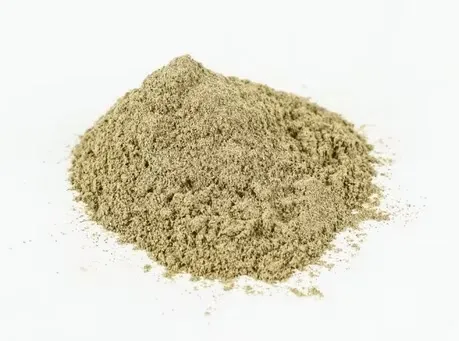
Gotu Kola (Centella asiatica)
Role: Known as the "herb of enlightenment," Gotu Kola supports memory, cognitive function, and mood. It enhances cerebral circulation, provides antioxidant protection, and aids in reducing anxiety, contributing to overall mental clarity and calmness.
250-500 mg extract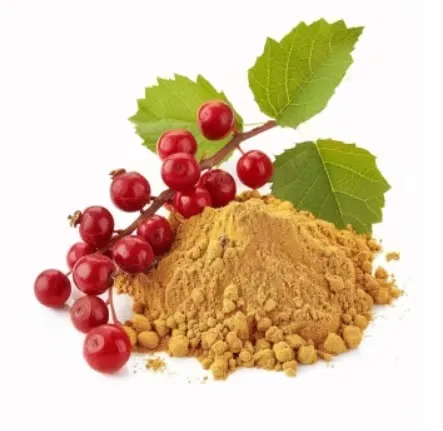
Schisandra Fruit
Role: An adaptogenic berry, Schisandra helps the body and mind adapt to stress, reducing mental fatigue and improving concentration. It also acts as a potent antioxidant, protecting brain cells from damage and supporting overall cognitive resilience.
500-2000 mg powder or 200-500 mg extract
Shilajit Extract
Role: A mineral-rich biomass from the Himalayas, Shilajit contains fulvic acid and other beneficial compounds. It enhances mitochondrial function, boosting brain energy, and acts as a strong antioxidant, supporting memory and cognitive processing.
200-500 mg purified extractSynergistic Strategies for Comprehensive Brain Health
Optimizing cognitive function extends beyond just supplements. A holistic approach integrating diet, lifestyle, and mental exercises creates the most robust defense against cognitive decline.
Nutrient-Dense Diet
Prioritize a diet rich in whole foods, emphasizing fruits, vegetables, whole grains, lean proteins, and healthy fats. The Mediterranean diet, for example, has consistently been linked to better cognitive outcomes due to its abundance of antioxidants and anti-inflammatory compounds. Limit processed foods, excessive sugars, and unhealthy fats which can contribute to inflammation and oxidative stress.
Regular Physical Activity
Exercise isn't just good for your body; it's phenomenal for your brain. Physical activity increases blood flow to the brain, stimulates the growth of new brain cells, and enhances the release of brain-derived neurotrophic factor (BDNF), a protein crucial for learning and memory. Aim for at least 150 minutes of moderate-intensity aerobic exercise per week.
Adequate Quality Sleep
Sleep is when your brain cleanses itself, consolidates memories, and repairs neural pathways. Chronic sleep deprivation can impair cognitive function, mood, and memory. Aim for 7-9 hours of quality sleep per night. Establishing a consistent sleep schedule and creating a conducive sleep environment can significantly improve your brain's performance.
Mental Stimulation & Learning
Keep your brain active and challenged. Learning new skills, reading, solving puzzles, playing musical instruments, or engaging in mentally demanding hobbies can build cognitive reserve and strengthen neural connections. This continuous learning helps maintain neuroplasticity, keeping your brain agile and resilient against decline.
Social Engagement
Maintaining strong social connections is vital for cognitive health. Social interaction stimulates various brain regions, reduces feelings of isolation, and can lower the risk of depression, all of which are protective factors against cognitive decline. Engage with friends, family, and community groups regularly.
Stress Management
Chronic stress can have detrimental effects on the brain, shrinking key memory centers and impairing cognitive function. Incorporate stress-reducing practices into your daily routine, such as meditation, yoga, deep breathing exercises, or spending time in nature. Managing stress effectively is a critical component of a comprehensive brain health strategy.
For more detailed strategies on improving your brain health naturally, you might find our article on how to improve brain health naturally very informative.
Choosing the Right Brain Health Supplement: What to Look For
With a plethora of brain health supplements on the market, selecting one that is both effective and safe requires careful consideration. Not all supplements are created equal, and understanding what makes a quality product is paramount.
When considering a brain health supplement, the first and most crucial factor is the quality of ingredients. Look for products that utilize clinically studied, standardized extracts of herbs and bioavailable forms of vitamins and minerals. The dosage of each ingredient should also be transparently listed and align with research-backed effective amounts. Avoid proprietary blends that hide individual ingredient quantities, as this prevents you from knowing exactly what you're consuming and in what concentration.
Next, consider the manufacturer's commitment to purity and safety. Reputable brands will adhere to Good Manufacturing Practices (GMP) and often conduct third-party testing to verify the potency and purity of their ingredients, ensuring they are free from contaminants like heavy metals, pesticides, and microbial impurities. Certifications like "Made in USA" can also indicate adherence to higher manufacturing standards. Transparency regarding sourcing and manufacturing processes is a strong indicator of a trustworthy product.
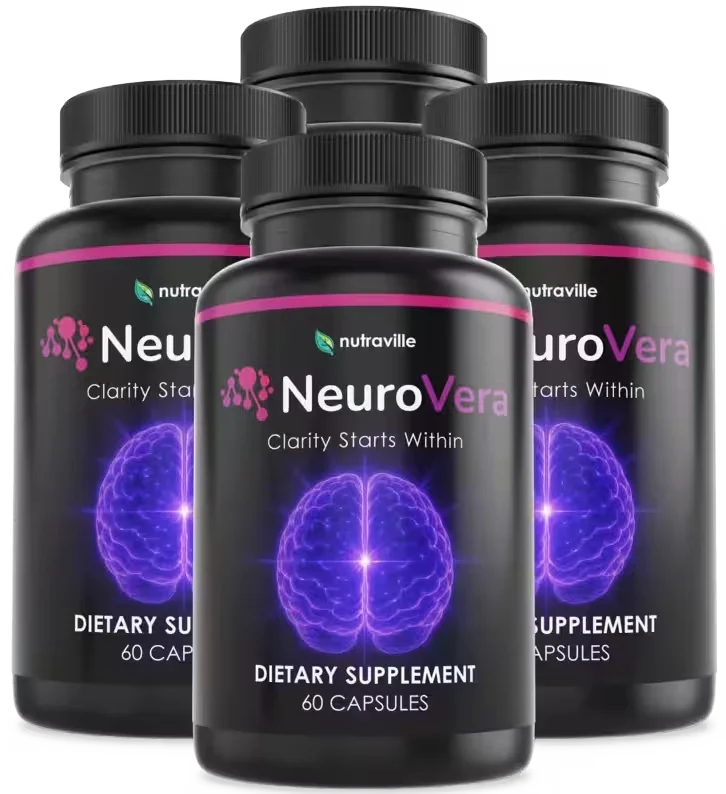
Finally, look for a supplement that offers a comprehensive approach. Instead of just one or two ingredients, a well-formulated brain health supplement will combine multiple synergistic compounds that target different aspects of cognitive function – from memory and focus to neuroprotection and stress reduction. For instance, NeuroVera is designed with this holistic philosophy in mind, blending top-tier vitamins and potent herbal extracts like Bacopa Monnieri, Lion's Mane, and Gotu Kola to offer a multi-pronged strategy for optimal brain health. It is formulated to be a natural focus supplement without caffeine, providing sustained mental clarity without jitters. Find out more about natural focus supplements without caffeine and why they might be a better choice for long-term brain health.

NeuroVera: Your Partner in Lifelong Cognitive Vitality
NeuroVera is a meticulously formulated brain health supplement designed for adults seeking to enhance memory, sharpen focus, and protect against cognitive decline. Crafted with a blend of science-backed vitamins and potent herbal extracts, NeuroVera offers a natural and effective path to a clearer, more vibrant mind.
- ✓ Supports Enhanced Memory & Recall
- ✓ Boosts Focus and Concentration
- ✓ Protects Brain Cells from Oxidative Stress
- ✓ Promotes Neuroplasticity & Brain Cell Growth
- ✓ 100% Natural, Non-GMO, and Stimulant-Free




What Our Customers Are Saying
"I've struggled with brain fog for years, especially in the afternoon. Since starting NeuroVera, I feel a remarkable difference in my clarity and focus. My memory feels sharper, and I can sustain concentration throughout the day. It's truly been a game-changer for my productivity."
"As someone approaching retirement, I was concerned about maintaining my mental edge. NeuroVera was recommended by a friend, and I'm so glad I tried it. My recall is better, and I feel more mentally agile. It's comforting to know I'm supporting my brain health with natural ingredients."
"I was skeptical at first, but after a month of NeuroVera, I noticed I wasn't constantly searching for words. My conversations flow more easily, and my ability to multitask has improved significantly. No jitters, just clear, sustained energy. Highly recommend!"
Frequently Asked Questions
What are the most important vitamins for adult brain health?
+Key vitamins for adult brain health include B vitamins (B6, B9, B12) for nerve function and homocysteine regulation, Vitamin D for neuroprotection, and Vitamin E for antioxidant support against oxidative stress.
Can supplements really improve cognitive function in adults?
+While no supplement is a magic bullet, certain vitamins, minerals, and herbal extracts can support cognitive function by providing essential nutrients, enhancing neuroplasticity, reducing inflammation, and protecting brain cells from damage.
How do ingredients like Bacopa Monnieri and Lion's Mane help the brain?
+Bacopa Monnieri is known to improve memory and learning by enhancing neurotransmitter activity. Lion's Mane mushroom supports nerve growth factor (NGF) production, crucial for neuron maintenance and growth, potentially improving focus and memory.
Are there any natural ways to prevent cognitive decline besides vitamins?
+Yes, a holistic approach is best. Regular physical exercise, a balanced diet rich in fruits and vegetables, adequate sleep, stress management, and engaging in mentally stimulating activities are all crucial for preventing cognitive decline.
What should I look for when choosing a brain health supplement?
+Look for supplements with scientifically backed ingredients, transparent labeling, third-party testing for purity, and manufacturing in GMP-certified facilities. Always consult a healthcare professional before starting any new supplement.
How long does it take to see benefits from brain health vitamins?
+The timeframe for seeing benefits can vary greatly depending on the individual, the specific nutrients, and consistency of use. Some people may notice improvements in a few weeks, while for others, it may take several months to experience significant cognitive benefits.
Related Articles